A Deep Study How Event Management Works to Produce Unforgettable Experiences
Event management is a complex technique that integrates various aspects to craft extraordinary experiences. It requires a clear understanding of the event's function and target market. Planners must browse budgeting, logistics, and advertising to guarantee a seamless implementation. Each component plays a vital function in achieving the wanted effect. The trip does not end with the event itself. There are understandings to discover that can form future undertakings.
The Fundamentals of Event Management
Effective event management encompasses a variety of necessary principles that lead the preparation and implementation of effective occasions. At its core, it involves understanding the event's function, audience, and wanted results. Determining the target demographic is important, as it notifies choices connected to material, advertising and marketing, and logistics.
Budgeting is an additional fundamental element, assuring that sources are alloted effectively while satisfying the event's objectives. This consists of preparation for unexpected costs that might arise.
Time management plays an important function, as event supervisors must develop a detailed timeline to collaborate different tasks and turning points.
Furthermore, effective interaction amongst stakeholders, suppliers, and employee is vital to guarantee alignment and avoid misconceptions.
Finally, risk management should be considered, with backup strategies in area to address possible challenges, thereby improving the total experience for attendees and guaranteeing a smooth implementation of the event. (charlotte event companies)

Key Roles in Event Planning
In event planning, comprehending vital functions is important for successful implementation. The event organizer is in charge of overseeing logistics and making sure all aspects line up with the vision. Additionally, effective supplier management is essential for preserving quality and fostering solid partnerships throughout the preparation process.
Event Coordinator Obligations
An event organizer orchestrates the complicated aspects of event planning, making certain seamless implementation from fertilization to verdict. They are in charge of conceiving the event style, establishing budget plans, and producing timelines to maintain the job on track. Coordination with stakeholders, consisting of customers, venue managers, and volunteers, is crucial to straighten expectations and help with interaction. The planner likewise manages logistics, such as food catering, transport, and technology needs, guaranteeing all components operate harmoniously. They perform website visits, manage routines, and troubleshoot concerns that may emerge during the event. Post-event, the organizer evaluates the event's success, collecting responses and evaluating end results to notify future tasks. This diverse function requires solid organizational skills, interest to information, and efficient interpersonal interaction.
Vendor Management Basics
Steering via the landscape of supplier management is essential for successful event planning. Efficient supplier management involves identifying, choosing, and collaborating suppliers who offer crucial services, such as catering, audiovisual assistance, and decoration. Event organizers have to keep solid communication with suppliers to ensure that all elements line up with the event's vision. Trick duties include the supplier supervisor, who supervises agreements and settlements, and the logistics planner, accountable for on-site setup and execution. It's vital to develop clear assumptions and timelines, cultivating a collective environment that improves the general experience. By prioritizing these elements, event coordinators can navigate potential difficulties, guaranteeing that every information adds to a seamless and unforgettable event.
Crafting a Vision: Concept Advancement
:max_bytes(150000):strip_icc()/Event-planners-56a2b3873df78cf77278efd5.jpg)
As soon as a vision is established, it comes to be necessary to convert it into workable components. This consists of defining the ambience, selecting proper venues, and figuring out the event's style. Working together with stakeholders, consisting of enrollers and companions, even more improves the concept, guaranteeing that all celebrations share a linked understanding of the event's objective. Ultimately, a well-developed vision not only boosts attendee engagement Continue however additionally establishes the phase for memorable experiences that reverberate long after the event concludes.
Budgeting and Resource Allotment
With a clear vision in position, the following action in event management involves cautious budgeting and resource allowance. This critical phase assurances that all needed parts are moneyed and aligned with the event's objectives. Event managers begin by approximating expenses related to place choice, food catering, amusement, and marketing. They develop an in-depth spending plan that details each category, permitting transparency and accountability.
Resource allocation extends past funds; it also incorporates personnels. Determining team roles, duties, and timelines is essential to assure effectiveness. Event managers need to also consider backups for unanticipated expenses or changes in extent, developing a buffer within the spending plan.
Additionally, prioritizing spending on components that improve guest experiences is essential. By strategically alloting resources, event managers make the most of influence while preserving economic control. This regimented approach not just fosters effective occasions however additionally constructs trustworthiness and trust with stakeholders and individuals.
Logistics: The Backbone of Event Execution
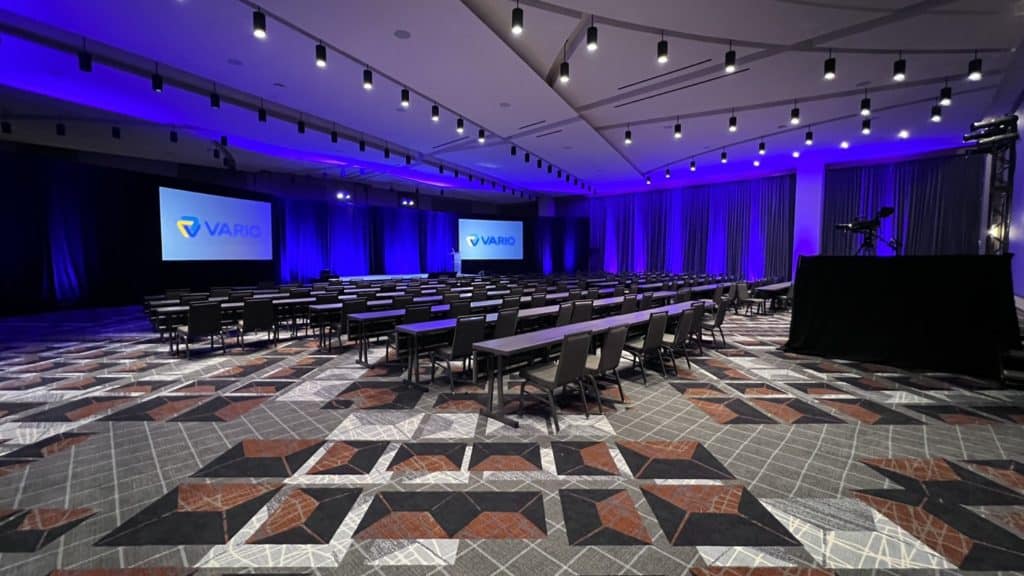
While budgeting lays the foundation for an event, logistics act as its backbone, ensuring that every facet is carried out smoothly and effectively. charlotte event companies. This incorporates a variety of tasks, including location option, transportation plans, and tools purchase. Effective logistics management calls for precise preparation and coordination to assure that all elements line up with site the event's timeline and purposes
Key elements of logistics consist of stock management, where supplies and materials are tracked to stop shortages, and staffing, which includes recruiting and training employees to deal with different jobs. Communication is likewise essential, as it assists in cooperation among vendors, enrollers, and the event group.
Advertising and Promotion Methods
Effective advertising and marketing and promotion approaches are essential for taking full advantage of presence and interaction at an occasion, as they create rate of interest and enjoyment among prospective participants. Event supervisors use a mix of standard and digital marketing techniques to reach their target market. Social media site systems, e-mail projects, and targeted advertisements are frequently made use of to create buzz and foster area communication. Cooperations with influencers or industry leaders can improve credibility, while involving web content such as videos and endorsements can resonate with prospective attendees.
In addition, leveraging event-specific hashtags and producing shareable graphics encourages natural promo among guests. Early riser ticket deals and unique promotions can incentivize enrollment, additionally increasing passion. A properly designed web site that uses easy navigating and clear information concerning the event can improve the customer experience. By carrying out these advertising and promo techniques, event supervisors can ensure higher presence and ultimately develop a memorable experience for all individuals.
Gauging Success: Feedback and Evaluation
Success in event management pivots on durable comments and assessment devices. These processes are important for establishing the efficiency of an event and determining areas for enhancement. By gathering input from guests, organizers can analyze contentment levels, recognize preferences, and determine overall effect. Surveys and interviews offer as important devices for collecting measurable and qualitative information, enabling for detailed analysis.
Furthermore, evaluating essential efficiency indications (KPIs) such as participation Look At This rates, involvement levels, and return on investment (ROI) gives a more clear image of event success. Post-event debriefing sessions with the preparation team additionally contribute understandings, promoting a society of constant improvement.
Eventually, a systematic technique to responses and evaluation not just improves future events but also enhances partnerships with stakeholders. By implementing these techniques, event managers can produce remarkable experiences that reverberate with participants and drive recurring interaction.
Frequently Asked Concerns
Exactly How Do Event Managers Manage Unanticipated Obstacles Throughout an Event?
Event managers deal with unforeseen difficulties by staying calmness, examining the circumstance, and applying contingency strategies - charlotte event companies. They communicate efficiently with their group, adapt swiftly, and focus on remedies to guarantee the event continues smoothly and efficiently
What Innovation Tools Are Important for Modern Event Management?
Necessary modern technology devices for modern event management include event registration software, project management applications, guest interaction platforms, and analytics devices. These sources streamline processes, improve communication, and boost general event experiences for coordinators and participants alike.
Exactly How Do Social Distinctions Influence Event Planning and Execution?
Cultural distinctions significantly influence event preparation and implementation. They influence themes, custom-mades, communication styles, and expectations, requiring tailored approaches to assure inclusivity and respect, eventually forming the total experience and success of the event.
What Are the Ethical Factors To Consider in Event Management?
Honest factors to consider in event management include transparency, sustainability, social sensitivity, and inclusivity. Organizers should focus on fairness, regard diverse target markets, reduce environmental influence, and assurance accessibility to produce liable and remarkable experiences for all participants.
Just How Can Sustainability Be Integrated Into Event Planning?
Sustainability can be integrated right into event preparation by utilizing environment-friendly materials, reducing waste, sourcing regional vendors, implementing carbon balanced out programs, and advertising digital remedies to lower paper usage, consequently boosting environmental awareness within the event's structure.